Electrification in Africa: Over €1 Billion to Accelerate Access to Electricity
With nearly 600 million people still lacking access to electricity, expanding reliable and affordable energy infrastructure remains one of the continent’s most critical development priorities. The European Investment Bank’s new financing initiative supports power generation, grid expansion, and decentralized renewable solutions that can transform access to energy across communities.
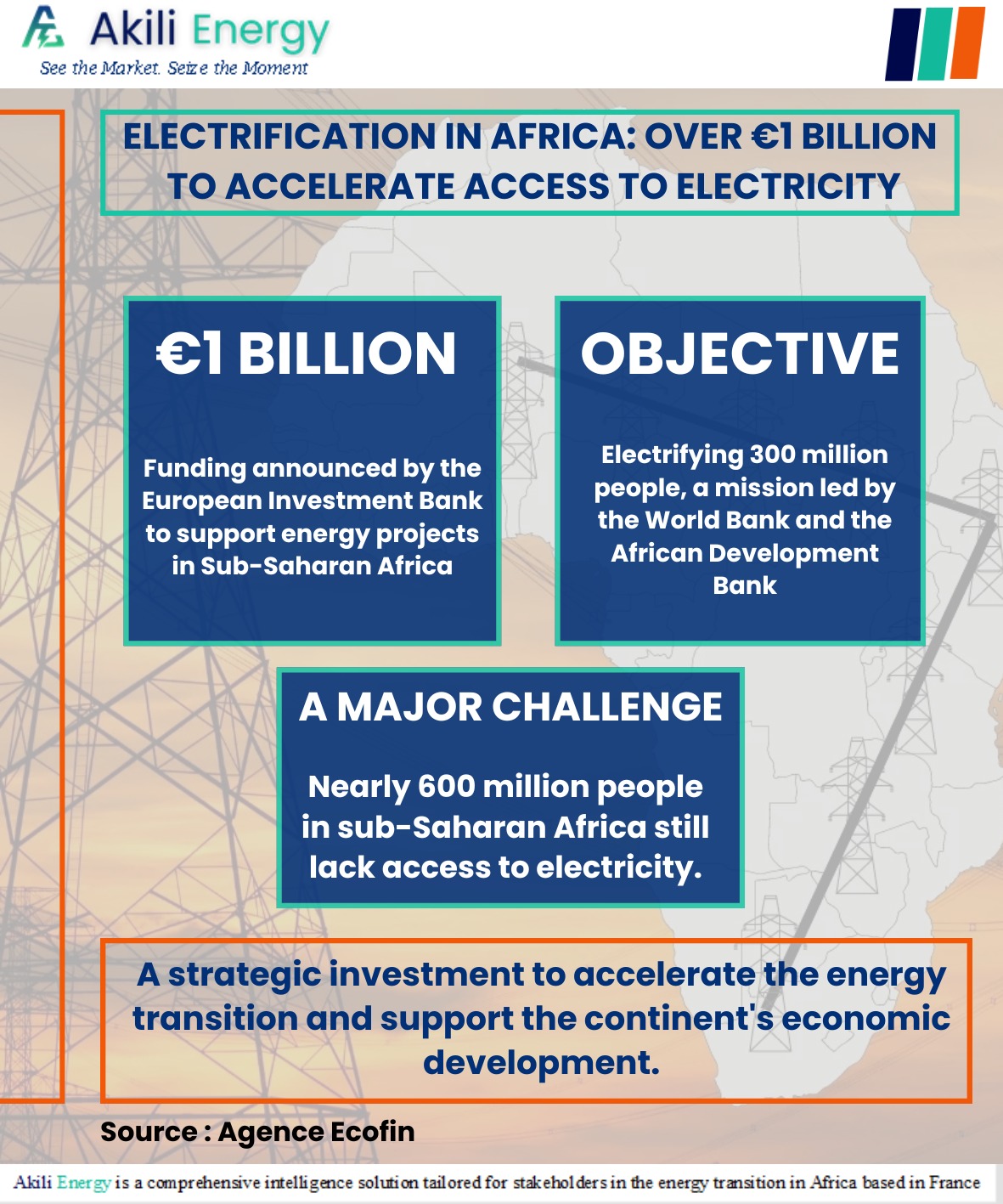
Access to reliable and affordable electricity remains one of the most pressing development challenges across Sub-Saharan Africa. While significant progress has been made in recent years, nearly 600 million people in the region still live without access to electricity. This energy deficit continues to impact economic growth, healthcare systems, education, industrialization, and overall quality of life for millions of communities.
In this context, the recent announcement of more than €1 billion in financing from the European Investment Bank (EIB) represents an important step forward in addressing the continent’s electrification gap. The funding will support a range of energy projects across Sub-Saharan Africa, aimed at accelerating electricity access and strengthening energy infrastructure.
This initiative contributes to a broader international effort led by major development institutions, including the World Bank and the African Development Bank, with the ambition of bringing electricity to 300 million people across the continent. Achieving this goal will require large-scale investments, coordinated policy frameworks, and strong partnerships between governments, development institutions, and the private sector.
🔹 Why electrification matters
Electricity is more than just power—it is the backbone of economic transformation. Expanding access to reliable energy can unlock opportunities across multiple sectors:
• Economic growth and industrialization – Reliable power enables businesses to operate efficiently, supports manufacturing, and attracts new investment. Many African economies still face productivity constraints due to unstable or limited electricity supply.
• Education and digital inclusion – Electrified schools and homes allow students to study after dark, power digital tools, and access online learning resources. In a rapidly digitalizing world, electricity is essential for closing the digital divide.
• Healthcare improvements – Hospitals and clinics rely on electricity to power medical equipment, store vaccines, operate laboratories, and provide emergency care. Energy access directly improves the quality and reliability of healthcare services.
• Entrepreneurship and local development – From small businesses to agricultural processing, electricity allows entrepreneurs to expand operations, increase productivity, and create local jobs.
🔹 Supporting Africa’s energy transition
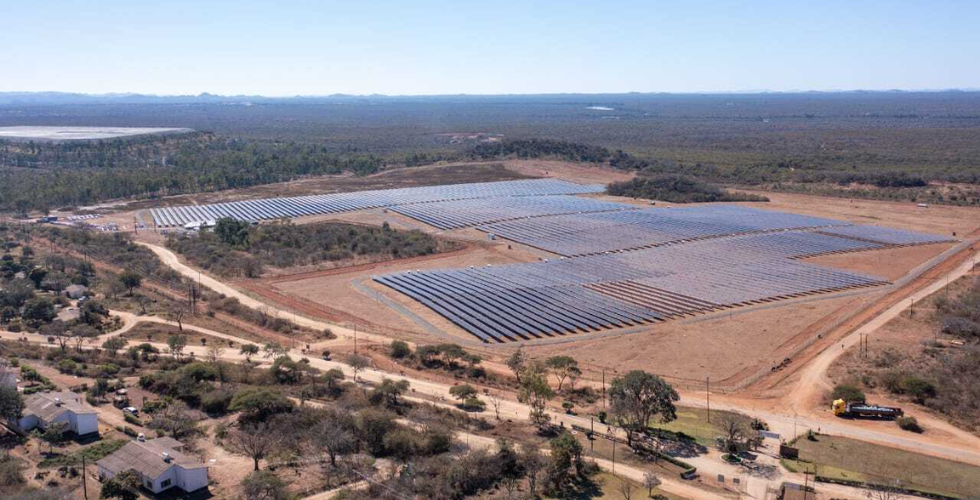
Beyond expanding access, new investments are also helping to accelerate the energy transition across the continent. Africa has immense renewable energy potential—including solar, wind, hydro, and geothermal resources—that can support sustainable electrification while limiting carbon emissions.
Many electrification strategies now combine large-scale grid expansion with decentralized solutions, such as mini-grids and off-grid solar systems. These technologies are particularly effective in rural or remote areas where traditional grid infrastructure can be costly or slow to deploy.
The integration of renewable energy into electrification strategies not only helps address climate challenges but also strengthens energy resilience, affordability, and long-term sustainability.
🔹 The scale of the challenge
Despite encouraging momentum, the electrification gap remains vast. Rapid population growth, infrastructure constraints, financing limitations, and regulatory barriers continue to slow progress in many regions.
Closing the electricity access gap will require hundreds of billions of euros in investment over the coming decades, alongside strong governance, regulatory reforms, and innovative financing mechanisms that can mobilize private capital.
International financial institutions, development banks, and strategic investors therefore play a critical role in de-risking projects, supporting infrastructure development, and enabling long-term financing for energy initiatives.
🔹 A strategic investment in Africa’s future
The €1 billion commitment from the European Investment Bank is not only a financial contribution—it reflects growing global recognition that energy access is fundamental to Africa’s economic development and social progress.
By supporting new power generation projects, grid infrastructure, and innovative electrification solutions, this investment can help accelerate progress toward universal energy access while strengthening the foundations for sustainable growth.
As partnerships between international institutions, governments, and private sector actors continue to expand, the vision of a fully electrified Africa becomes increasingly achievable.
The journey ahead remains challenging, but every strategic investment brings the continent closer to a future where reliable, affordable, and sustainable electricity is accessible to all.